
Pediatric Dentistry
Paediatric dentistry is the branch of dentistry dealing with the oral health of children, from the first months of life to adolescence. Different medical contexts over such a long period of time and the “white coat syndrome” make our little patients special.
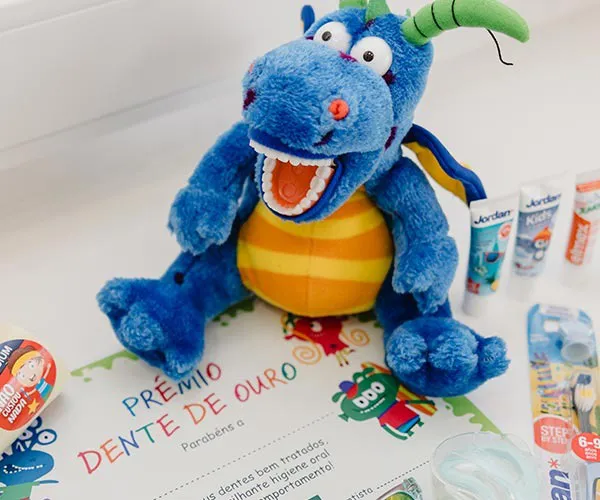
Welcome to

Our friendly and experienced team is focused on the dental needs of children and adolescents, creating an environment of harmony and trust.
Aligners for children
Discover the ideal solution for little ones!
Clear aligners can be used in the orthodontic treatment of children from age 6.
They promote all the conditions for the proper development of dental arches
Benefits of orthodontic treatment in children:
1
Comfort
2
Convenience
3
Innovation
4
Autonomy
5
Fun
Children enjoy clear aligners! These braces make aligning teeth a fun process.
Time to brush your teeth...
The challenge begins!
Brushing teeth can be a real headache for parents!
There are techniques that make this challenge easier! Here are some simplified clues:
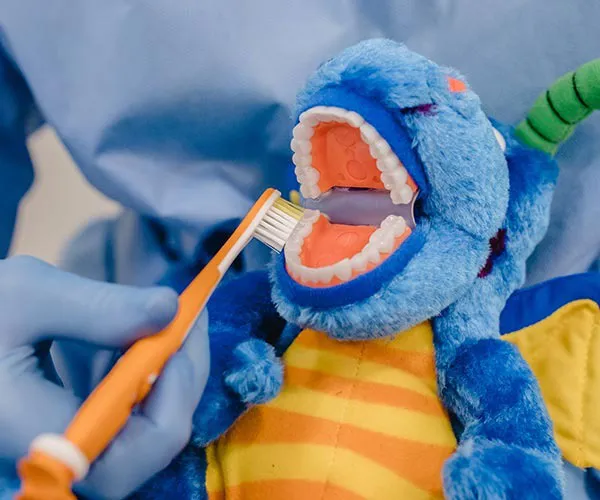
When should I start brushing my teeth?
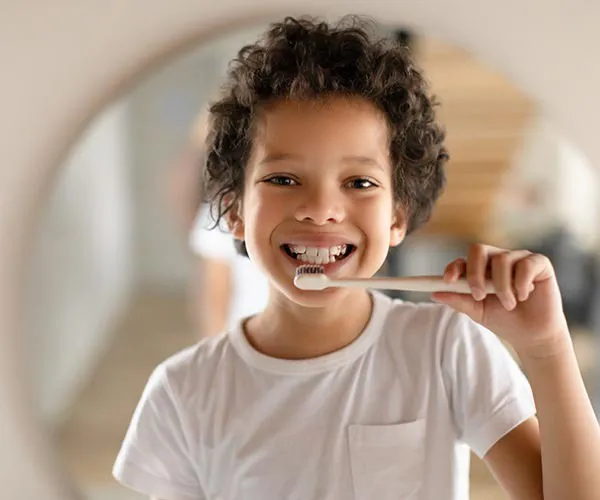
How often should I brush my teeth?

Book your appointment
Prof. Dr. Maria Cristina de Faria Teixeira
Prof. Dr. Cristina Teixeira has post graduares training at the following institutions:

Book your appointment
Dr. Beatiz Vaz Duarte
at the following institutions:
Frequently Asked Questions
When should I make my baby's first appointment?
It is recommended that the first appointment takes place after your the baby’s first tooth erupts or within the baby’s first year.
You might wonder why so soon. At this stage, it is possible to make a very early diagnosis and limit the consequences of existing problems.
Did you know that tooth decay is the most prevalent childhood disease? It is therefore imperative to establish oral hygiene habits from an early age and carry out early diagnosis to limit the need for dental treatment and enable minimally invasive options when they are necessary.
What to expect at the first appointment?
Regardless of the child’s age, the first appointment is a key piece of information. Informed caregivers will make better decisions when it comes to determining the habits of the children who will be the adults of the future.
It’s at the first appointment (and all the others, really!) that the magic happens! We allow the child to explore the dentist’s office, meet the doctor who will be accompanying them and let their imagination run wild so that their knowledge of the instruments, the make-believe stories and even the much-loved cartoons make them forget that it’s a doctor’s appointment.
In the middle of the animation, and after a careful medical history, a clinical observation is made to assess the various structures of the oral cavity and understand if everything is developing correctly; diagnose dental problems that require intervention and establish an early and minimally invasive treatment plan.
Next, and depending on the child’s age, dental prophylaxis is carried out with fluoride application, whenever indicated.
Sometimes it is necessary to carry out additional diagnostic tests, such as dental X-rays, or to refer the patient to different specialties for proper follow-up, such as orthodontics or speech therapy.
Milk teeth... Permanent teeth... What a mess!
In such a small mouth, there are so many changes happening.
Sometimes it’s not easy to keep up with everything that’s changing! You should know that the first teeth appear at around 6 months. Don’t be worried if your baby isn’t up to standard, because all children are different, and the state of tooth eruption will be assessed at the appointment. The milk (or deciduous) dentition will be complete by the age of 2/3 with 20 teeth!
Later, around the age of 6, the first permanent teeth appear. The permanent dentition will be complete by the age of 12, with 28 teeth (not counting the famous wisdom teeth).
Why treat baby teeth? Won't they fall?
This thinking is wrong, but unfortunately it’s common. Baby teeth with cavities can cause pain and infection, just like permanent teeth. In addition, decay in a baby tooth can affect a permanent tooth and damage the permanent dentition.
Failure to treat baby teeth leads to their premature loss, which has consequences for the child’s development, as this dentition impacts chewing, speech, and the eruption of permanent teeth.
The scientific evidence is clear on the benefits of early preventive intervention. Children with strict oral hygiene habits and no teeth in need of treatment will be adults who are less likely to develop oral diseases. And in fact, there is no general health without oral health!