National fixed network

Orthodontics

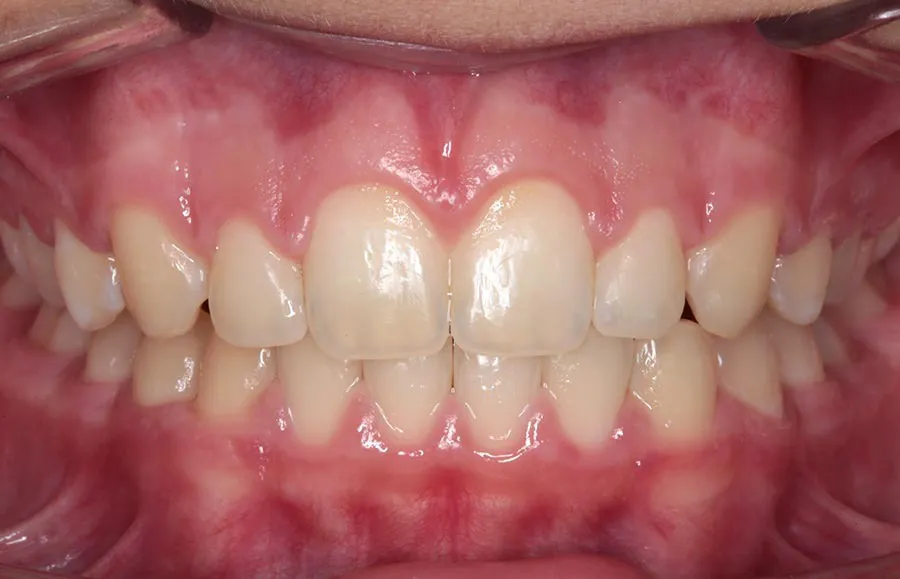
At São Dente Clinic, Orthodontics focuses on the diagnosis, prevention and treatment of dental and skeletal malocclusions.

Orthodontics with clear aligners

Ortodontia, alinhadores invisíveis Invisalign

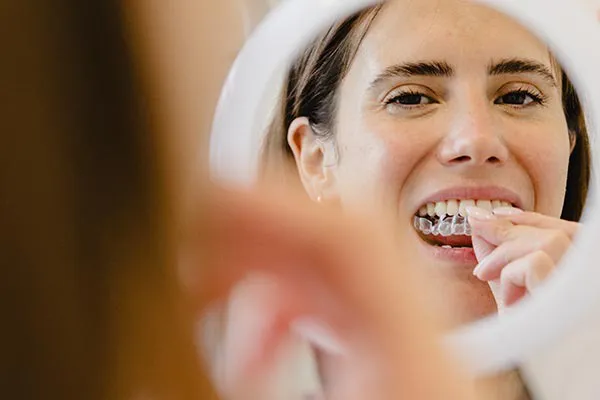
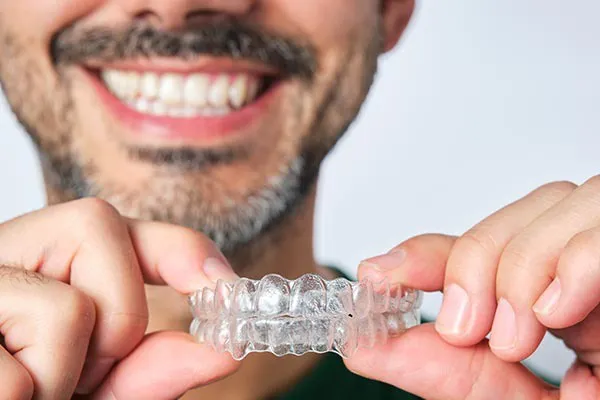
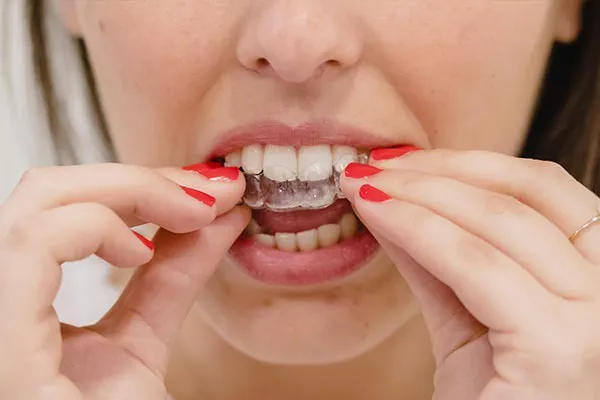
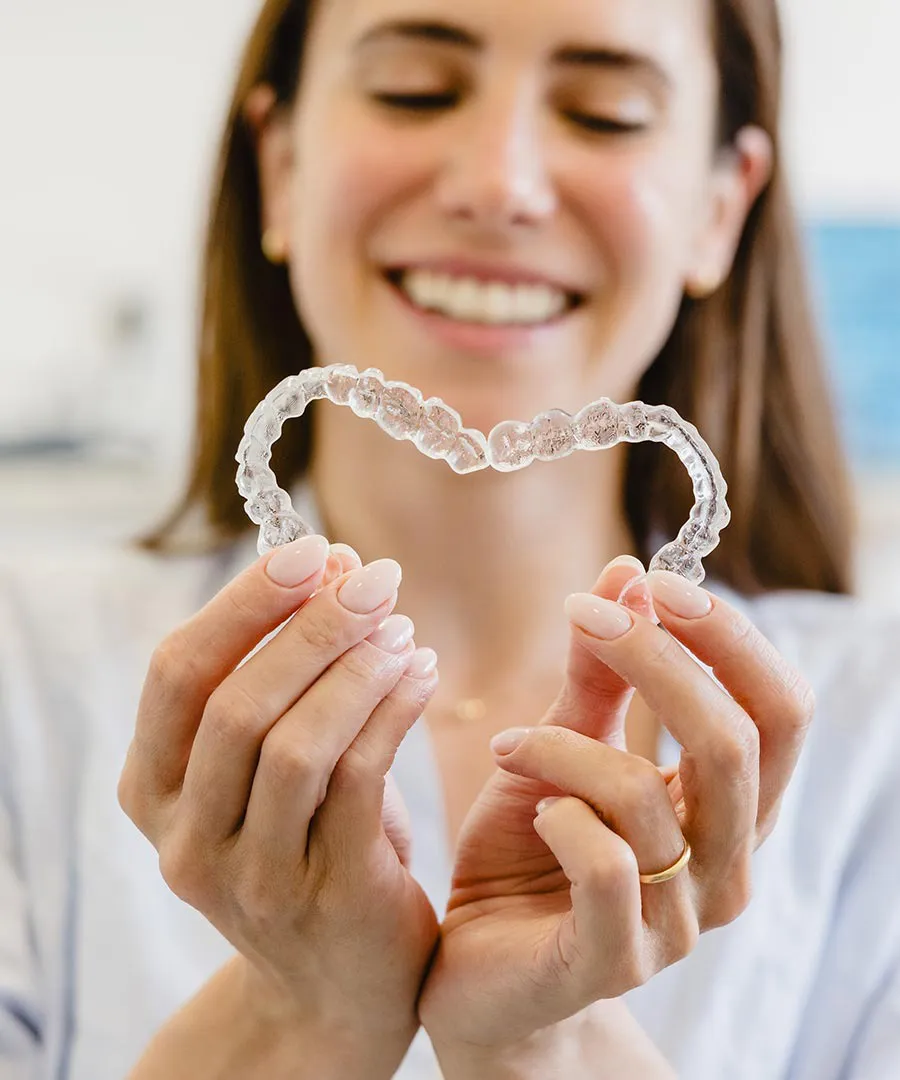
Clear Aligners (Invisalign®) allow for a comfortable and discreet orthodontic treatment.

Every 1 or 2 weeks, the patient changes from one aligner to the next, until they reach the correct position of their teeth and an adequate occlusion.

Benefits of Clear Aligners

Comfortable

Clear aligners are practically invisible and usually hardly anyone notices that you’re wearing them. Smart Track technology reduces discomfort and irritation in the gums and cheeks.

Convenient

You can remove the aligners during meals, allowing you to eat and drink whatever you want during your treatment.

Innovation

Unlike traditional fixed braces, there are no brackets or archwires, which means that, in most cases, you spend less time in the practice making adjustments. Finally, the Invisalign® system allows you to see your results virtually and check your treatment plan before you start.

Changes in the growth and development mechanisms of the maxillofacial complex can lead to disturbances in the temporomandibular joint, masticatory function and development of facial asymmetries.

Clínica São Dente therefore recommends scheduling a preventive orthodontic appointment at around 5-6 years of age.

Another key moment that should be monitored by your orthodontist occurs around the age of 10-12, during the final phase of the transition between baby teeth and permanent teeth.

What is a dental appliance?

The advantages of an orthodontic treatment are related to the correction of dental malposition and malocclusion.

Dental appliances are medical devices used in dentistry to correct the incorrect positioning of teeth and/or jaws.

Apart from the obvious aesthetic advantage, dental braces improve our bite and even our daily oral hygiene.

Different types os treatments can be performed using different dental appliances:

  • Clear Aligners (Invisalign®).
  • Conventional fixed appliances (brackets).
  • Braces combined with orthognathic surgery.
  • Fixed or removable orthopedic appliances.
Orthodontics, orthodontic treatment with fixed braces

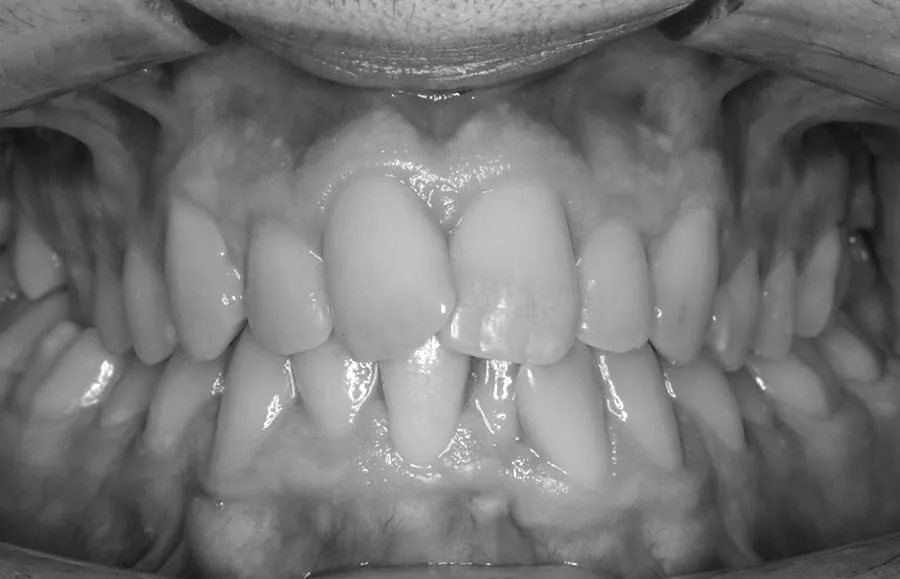
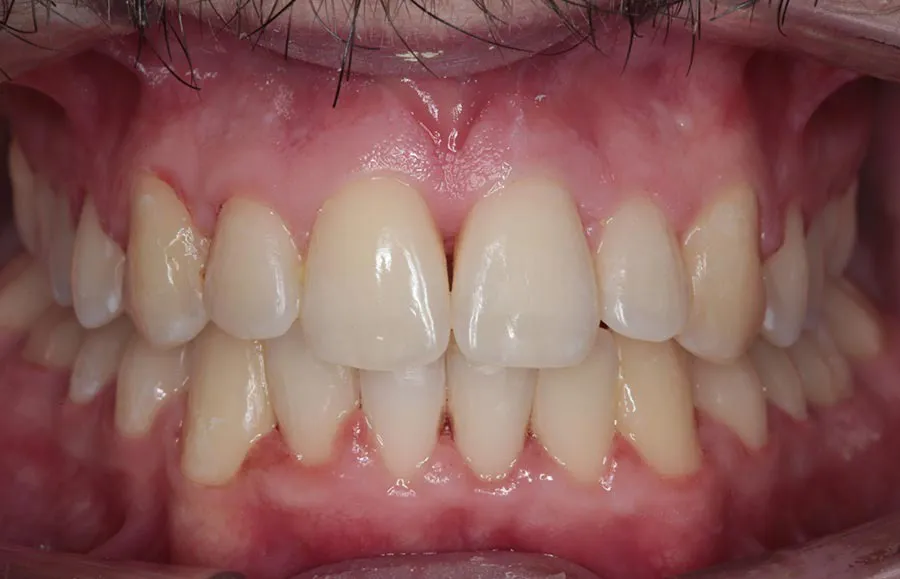
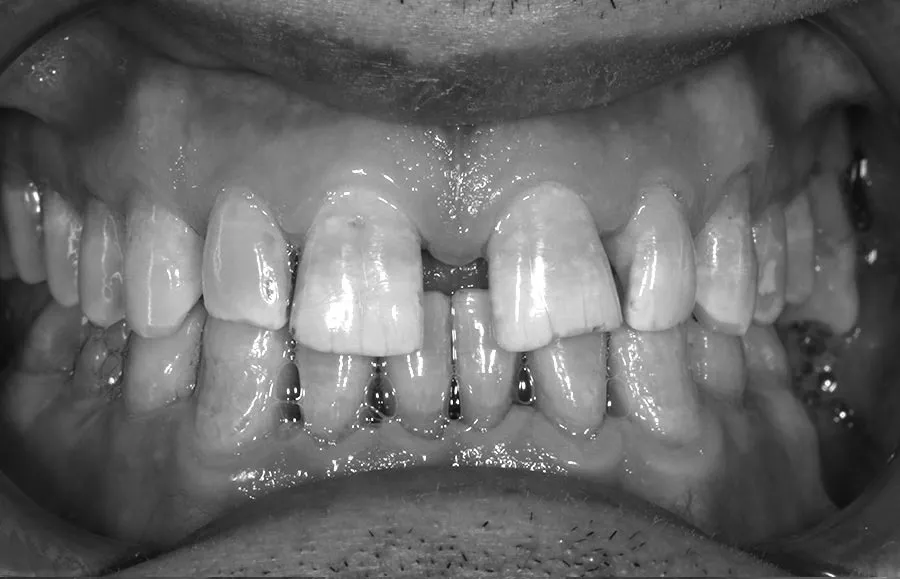
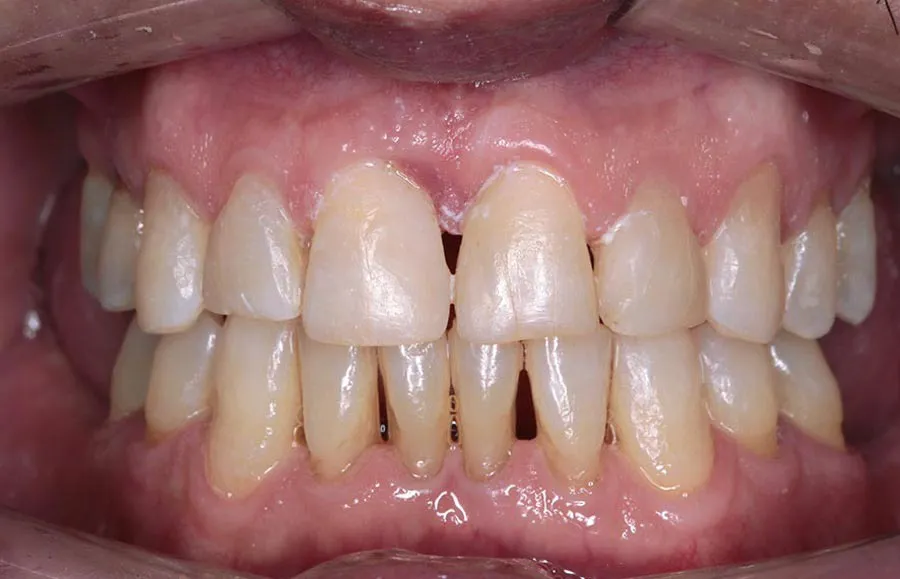
Clinical Cases

BEFORE
AFTER
BEFORE
AFTER
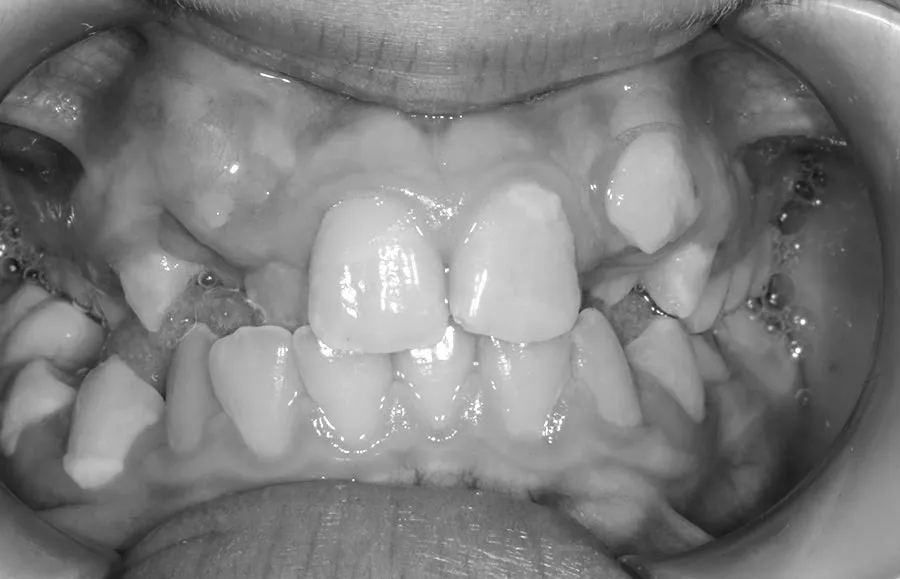
BEFORE
AFTER
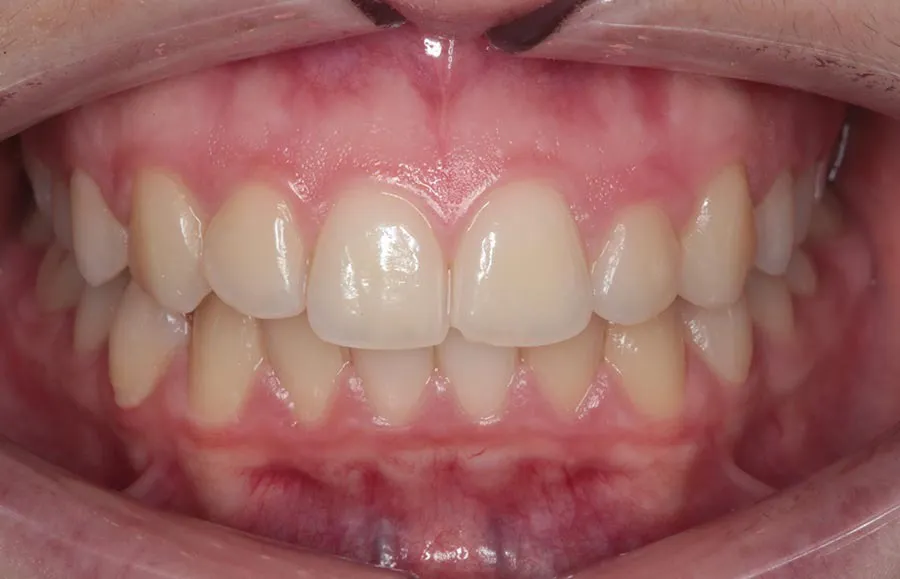
BEFORE
AFTER
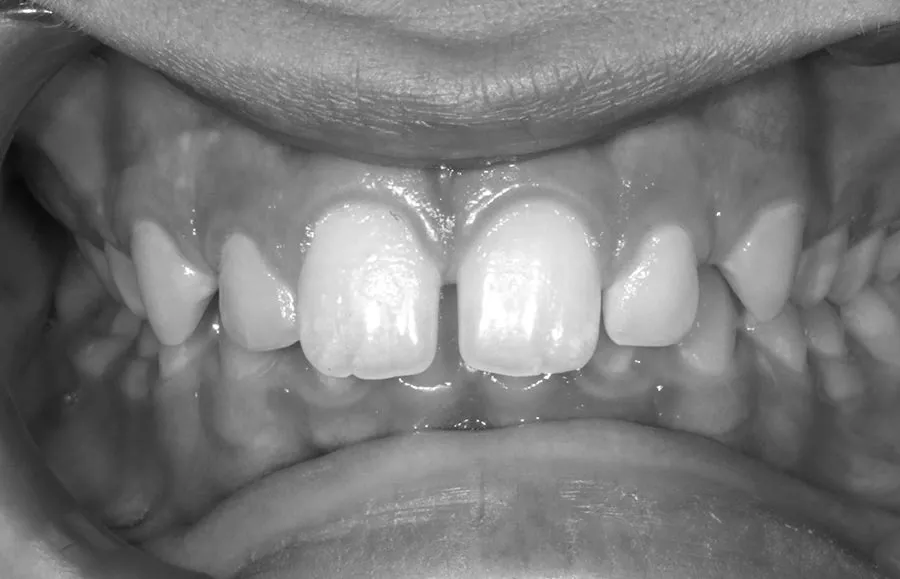
Dentist Dr. Maria Cristina Faria-Teixeira

Book your appointment

Prof. Dr. Maria Cristina de Faria Teixeira

Dentist with postgraduate training
at the following institutions:

Frequently Asked Questions

Transparent Aligners

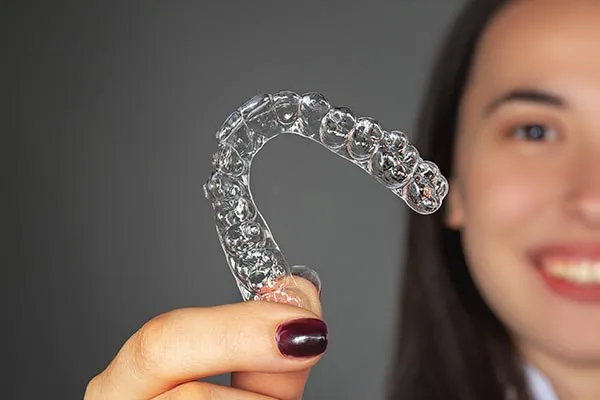
The virtually invisible aligners are made from a tough medical-grade thermoplastic material developed exclusively for the Invisalign® system.

The aligners are made to measure and fit comfortably on your teeth.

Orthodontics, Invisalign clear aligners

Some people may experience slight temporary discomfort for a few days after a new aligner has been fitted in each new treatment phase.

This sensation is normal and is usually described as a feeling of pressure.

It’s a sign that the aligners are working and usually disappears after a few days.

Orthodontics, Invisalign clear aligners

Yes. A number of patients with clear aligners had already undergone treatment with braces before.

The aligner can usually correct the movement that occurs after the appliance has been removed, known as relapse.

Orthodontics, Invisalign clear aligners

No. Unlike traditional braces with brackets and archwires, the transparent aligner allows you to eat whatever you want during treatment because you can remove the aligners to eat and drink.

This removal also allows you to easily brush your teeth and floss after each meal to maintain good oral hygiene before replacing the aligners.

Orthodontics, Invisalign clear aligners

You should always wear your aligners during treatment, except for eating and oral hygiene. The recommended daily use is 22 hours.

Orthodontics, Invisalign clear aligners

Fixed Appliances

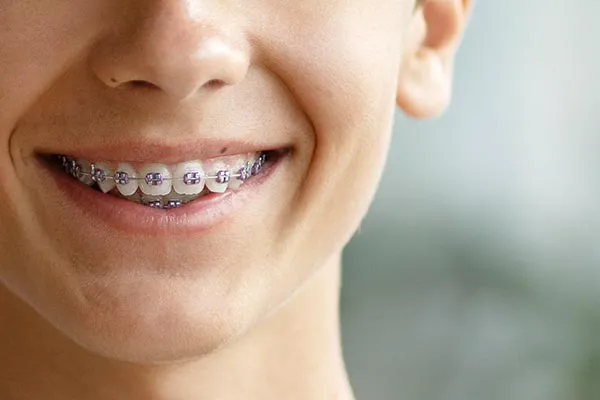
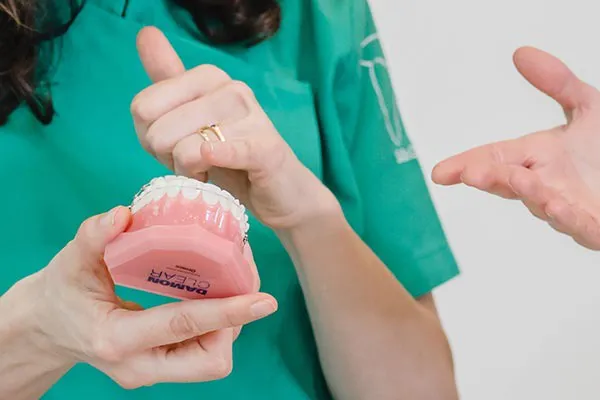
When choosing conventional braces, the orthodontist uses coloured elastics to keep the arch inside the brackets. These elastics cause friction on the archwire and encourage plaque build-up. Self-ligating braces, on the other hand, are a low-friction system because they are small doors that fix the archwire to the brackets.

This difference has the great advantage of reducing the friction caused by the elastics on the teeth, i.e. reducing the force needed to move the teeth, thus increasing the speed of treatment and reducing discomfort during tooth movement.

Orthodontics, fixed braces
  • The great advantage of this system is that it allows us to build the ideal appliance for each patient, as it allows us to individualize each bracket according to the original position of the tooth and the desired final movement;
  • Another advantage is easier oral hygiene, as the latex material used in the elastics of conventional braces encourages the formation of plaque, unlike self-ligating braces which eliminate the need for elastics;
  • Finally, as described above, when compared to conventional orthodontics, self-ligating orthodontics also has the advantages of greater speed and comfort during treatment.
Orthodontics, fixed braces

Yes.

However, in the case of sports with physical contact, individualized protection should be used to prevent soft tissue injuries and fractures to parts of the device.

Orthodontics, fixed braces

Book your appointment now

Would you like more information or to make an appointment?
Contact us by phone at +351 213 970 096, by WhatsApp at +351 965 479 515, or by email at clinica@saodente.pt or fill out the form below.

Please be advised that we will be closed from August 1st to 31st for the vacations.

Let’s keep in touch: