
Dental Implants
Pain, loose teeth, or difficulty chewing?
Regain the confidence to smile, eat and speak comfortably. Treatments performed by a highly specialised multidisciplinary team, supported by state-of-the-art technology and personalised patient care.
Book your appointment now
I lost a tooth and now what?
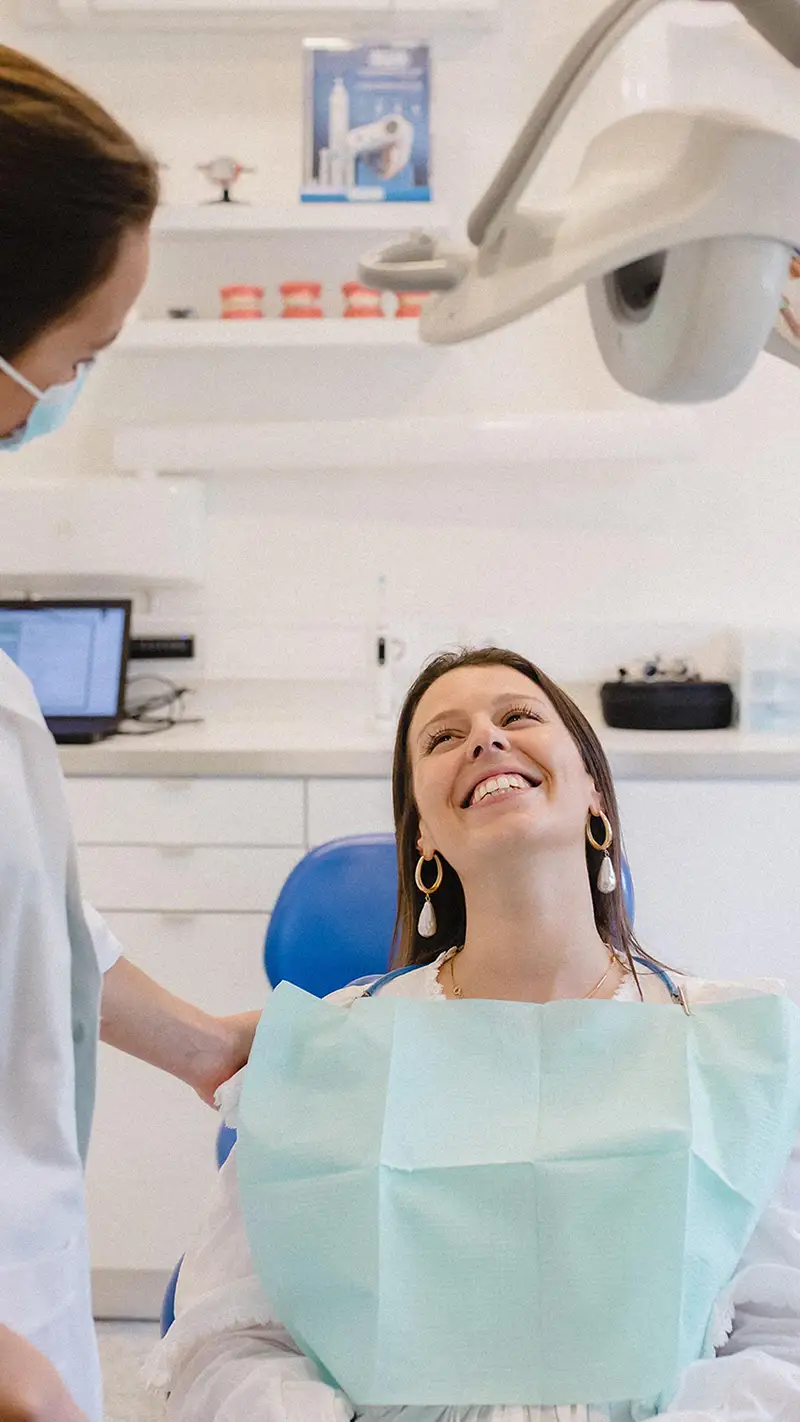
Missing teeth affect far more than aesthetics. They may lead to difficulties in chewing, speech impairment, reduced self-confidence and progressive oral health complications.
At São Dente Clinic, located in the heart of Lisbon, in the prestigious Lapa and São Bento district, every patient undergoes a comprehensive clinical assessment to identify the most suitable treatment solution. We utilise premium-quality dental implants and the most advanced techniques in modern Implant Dentistry.
At São Dente Clinic, you benefit from:
- Fixed implant-supported solutions for the replacement of missing teeth
- Immediate-loading protocols with the possibility of receiving teeth in a single day
- An experienced clinical team specialised in Oral Implantology
- Advanced digital treatment planning and cutting-edge technology
- Emergency Dental Care Service
Did you know that...
São Dente Clinic PROVIDES EMERGENCY DENTAL CARE?
We have an emergency line from 9 a.m. to 7 p.m. to offer you the best and quickest response.
If you need an urgent appointment, please contact us at (+351) 213 970 096 or (+351) 965 479 533.
Why choose dental implants?
Eat Without Restrictions
Restore your ability to comfortably chew and enjoy your favourite foods with confidence.
Smile with Confidence
Natural-looking tooth replacements designed to restore aesthetics, functionality and self-assurance in everyday life.
Long-Term Solution
A treatment designed to provide exceptional stability, durability and long-term clinical success.
Superior Comfort
Eliminate the discomfort and instability commonly associated with removable dentures.
Personalised Treatment
Each treatment plan is individually tailored according to your oral health condition, anatomical requirements and functional and aesthetic goals.
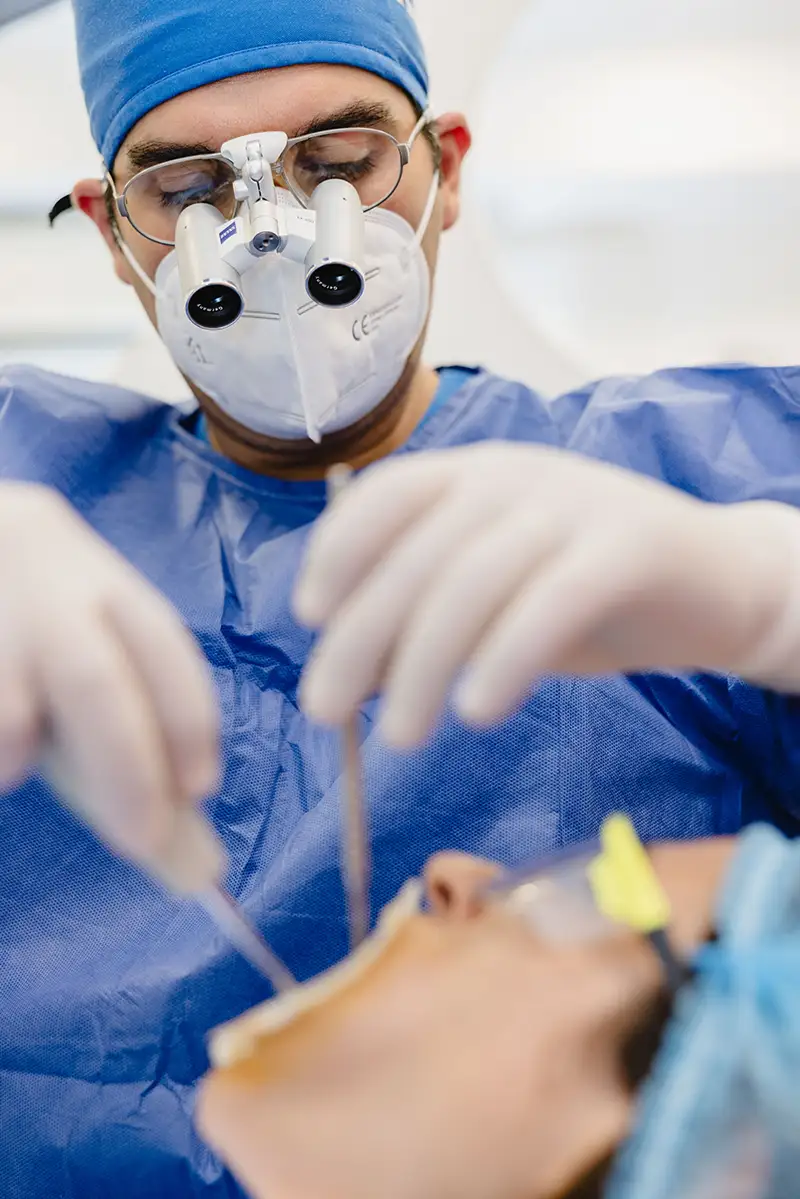
What Is the Purpose of Dental Implants?
Watch Dr Sancho Silvestre’s video presentation for a concise explanation of the purpose, benefits and clinical applications of dental implants.
Trust built over more than 10 years of experience.
Publicado em Google
 Jess Davis
Trustindex verifica se a fonte original da avaliação é Google.
I did not expect to be writing a glowing review of a dentist visit, but here we are. I arrived in Lisbon from the US with a terrible toothache and had resigned myself to just gritting my teeth (literally) through our 10-day trip and dealing with it back home. On a whim, I Googled 'dentist near me' and came across Clinica Sao Dente. I messaged them on WhatsApp Friday evening, fully expecting to wait days for a reply, and instead heard back almost immediately with an appointment for 1pm the next day, a Saturday. The clinic itself is modern and welcoming, and the care was thorough: a full 360 x-ray, a follow-up x-ray, and a careful exam from Dr. Catarina Robim, who along with the rest of the staff was warm, patient, and clearly excellent at what she does. It was honestly the best dental visit I've ever had, anywhere, and the whole thing cost 65 euros. If you're traveling and need emergency dental care in Lisbon, do yourself a favor and go here.Publicado em Google Bruno HortelãoFiz vários tratamentos ortodônticos, tratando uma principalmente uma oclusão, e passados 5 anos, continua a ser uma referência no que diz respeito à excelência na saúde dentária. Recomendo vivamente. Equipa profissional e muito simpática. Mesmo vivendo longe, venho de propósito a Lisboa. :)Publicado em Google
 Mila TitovaI’m incredibly grateful to Dr. Sancho Silvestre and Andreia Dias for removing my wisdom tooth. I had an urgent and very complicated surgery that lasted 3 hours — the roots of the tooth were extremely close to the trigeminal nerve. Dr. Sancho Silvestre carefully removed the tooth piece by piece to minimize any impact on the nerve. Everything went perfectly, and the nerve was left completely untouched. Truly amazing, delicate work! My highest recommendations and endless gratitude!Publicado em Google
 Malte SchüttHad to get some larger emergency treatment with multiple appointments. Super easy communication, modern clinic and the nicest people, from front desk to doctor! Can recommend 100%Publicado em Google
 McKenzie CourtneyGentle, attentive, and always listening to patients. The Sao Dente team makes every visit comfortable. They’re highly knowledgeable and explain everything clearly in excellent English, so you always feel informed and at ease. They made my wisdom tooth removal as smooth as possible and did an incredible job. Great care, clear communication, and a genuinely kind approach. I highly recommended and can’t thank them enough!Publicado em Google
 Keren WeinsteinI’ve been going here for 9 yrs they are great. Speak perfect English and take a lot of care with everything. Highly recommend!Publicado em Google
 Natalia PI went to this clinic for an emergency due to inflammation caused by my wisdom tooth during my holidays. I contacted them via WhatsApp and was able to get an appointment immediately, which I really appreciated. The team speaks English and was very attentive. The dentist (Dr. Beatriz) was very gentle and clearly explained the situation and the next steps.Publicado em Google
 PieterUrgent dental treatment, same day, pain free and glad I was able to get an appointment same day. When visiting Lisbon or when living in Lisbon I would recommend to go to Maria and her Sao Dente team. Thank you very much!
Clinical Case
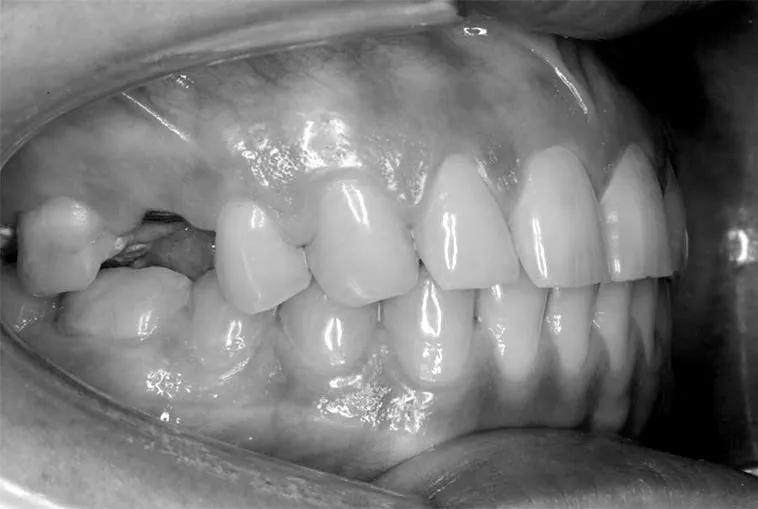
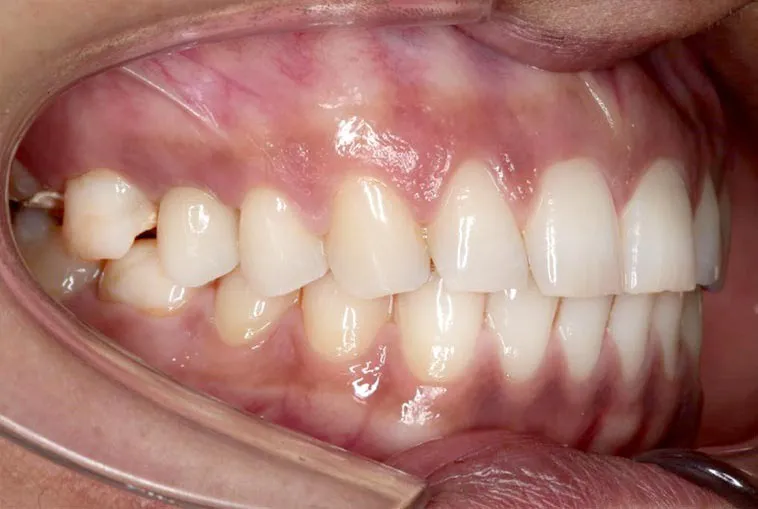
Same-Day Fixed Teeth
Immediate Full-Arch Rehabilitation with All-on-4
For suitable candidates, the All-on-4 protocol enables the placement of dental implants and a fixed provisional restoration on the same day, allowing immediate restoration of aesthetics, function and quality of life.
Following a comprehensive clinical and radiographic evaluation, our implantology team will determine whether this treatment approach is appropriate for your specific oral health needs.
Book an appointment and find out whether you are a candidate for our Teeth in a Day treatment.
What is the treatment All-on-4?
All-on-4 is an advanced implantology technique that allows for the rehabilitation of a complete dental arch with only four dental implants, supporting a fixed prosthesis.
It is recognized as one of the most effective methods for those seeking fixed teeth in one day, quickly restoring aesthetics, chewing function, and comfort.
This technique allows for the placement of a temporary fixed prosthesis on the same day as the surgery, allowing the patient to leave the clinic with a new smile. The definitive prosthesis is installed after the osseointegration period.


In which situations does this treatment apply?
All-on-4 is indicated for:
- Patients with total tooth loss in one or both dental arches.
- People with some remaining teeth, but with no possibility of recovery.
- Situations of advanced bone resorption, where traditional methods would require grafts.
- For those seeking a fixed and stable solution, avoiding removable prostheses.
- Adults whose bone structure is already mature.
Because the implants are placed in strategic areas, even patients with low bone volume can benefit from this treatment — often without the need for grafts.
What are the main advantages?
- Fixed teeth in a single day with immediate placement of the temporary prosthesis.
- Minimally invasive, using only four implants per arch.
- It avoids bone grafts in most cases.
- It reduces the total treatment time.
- Faster and more comfortable recovery.
- High success and satisfaction rates.
- Immediate improvement in aesthetics, speech, and chewing ability.
- A durable and stable solution thanks to digital planning and angled implant placement.

What are the stages of All-on-4 treatment?
1
Digital Assessment and Planning
A detailed medical history is taken, and examinations such as orthopantomography or CT scans are performed. After analyzing the results, a digital treatment plan is developed to define the ideal position for the implants.
2
Surgery and Implant Placement
3
Permanent Fixed
Prosthesis
4
Monitoring
and Maintenance
Book your appointment
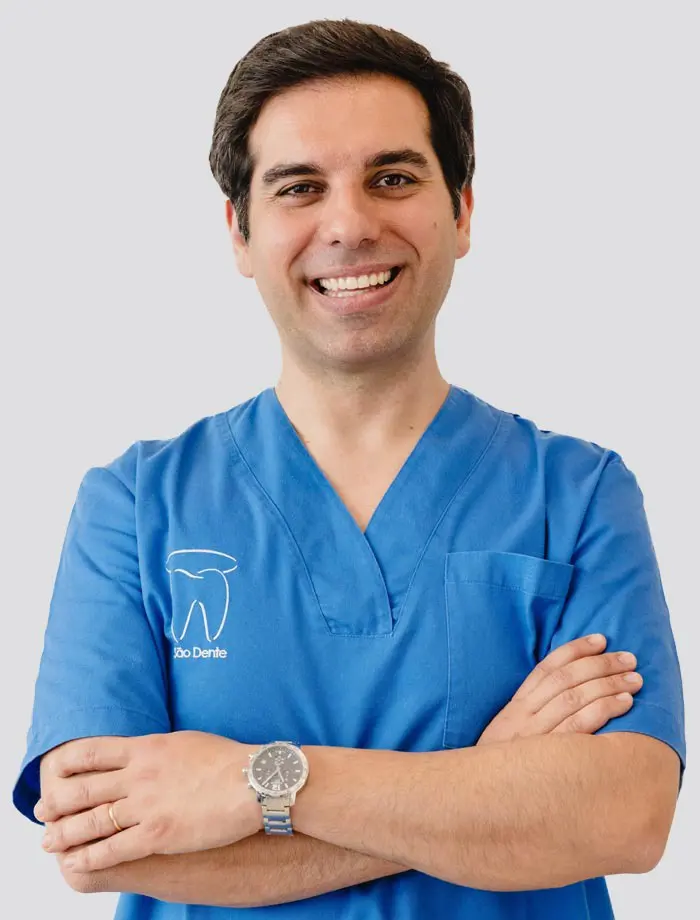
Dr. Sancho Silvestre
A dentist with postgraduate training at the following institutions:
Frequently Asked Questions
Implants
What is a dental implant?
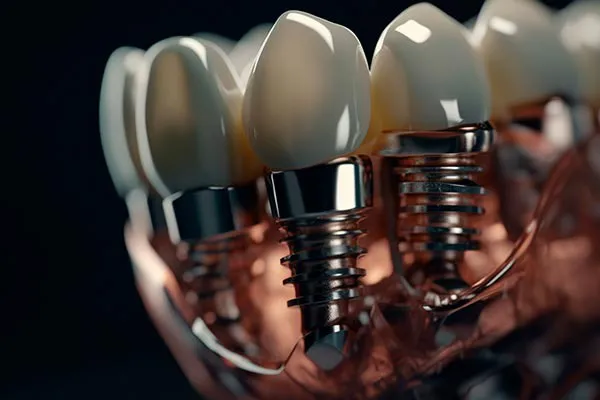
Dental implants are medical devices used to replace one or more natural teeth. We can compare a dental implant to the artificial root of a missing tooth.
After the osseointegration process, a crown can be placed on the implant to restore the function and shape of the missing tooth. When several teeth are missing, rehabilitation can involve the placement of several implants and the subsequent placement of bridges or prostheses on the implants.
Dental implants restore chewing function and a balanced smile to those who have lost one or more teeth. These treatments are very popular these days because they represent a convenient and very comfortable permanent solution for the patient.
Are implants safe?
Yes. The implants themselves are mostly made of titanium, a biocompatible material that is also used in other prosthetic procedures such as hip replacements.
Surgery to place implants involves a detailed assessment of your clinical condition and careful planning of the surgical procedure, using complementary diagnostic tests such as X-rays and/or CT scans.

What steps are involved in implant rehabilitation?
Rehabilitation with dental implants involves 3 stages:
- Diagnosis and treatment plan
- Surgical phase – during which the implants are placed
- Prosthetic phase – during which the crowns are placed.

What are the indications and contraindications for dental implants?
Dental implants are indicated for patients who have lost one or more teeth.
Some factors that may be responsible for lower success rates in terms of implant osseointegration include smoking habits, metabolic diseases such as diabetes and poor oral hygiene.
Diabetes is a risk factor for the success of dental implants, as healing is slower. Diabetic patients are also more likely to suffer from post-operative complications. However, if the disease is under control and the glycosylated hemoglobin values are within the reference parameters, there is no absolute contraindication.
Other systemic conditions: Osteoporosis, HIV, Hemophilia, Radiotherapy
Studies indicate that there is no contraindication to implant therapy, as long as the disease is compensated for and surgery is planned. We need to take extra precautions and we will communicate with specialists who follow you in the treatment of these systemic diseases before the surgery.

Do implants need maintenance?
Absolutely. Regular visits to your dentist and proper oral hygiene are key to the long-term success of implants.
There is a widespread idea that because the implant is an artificial structure, it doesn’t need oral hygiene care like natural teeth. This idea couldn’t be more wrong.
The implant is a device that is surrounded by bone and gum. Bacterial plaque forms on both teeth and implants. These bacteria compromise the health of the gums and, in some cases, the bone, which will affect the implant, since these tissues are its support.
Correct oral hygiene and regular check-ups are therefore essential for maintaining implants.

What are gum grafts?
A gingival graft is a microsurgical procedure in which free gum or connective tissue (the inner part of the gum) is transplanted to cover a gum tissue defect.
This procedure is usually done to increase the amount of tissue around implants, or to cover defects in natural teeth caused by periodontal disease or trauma.
All-on-4
What is "All-on-four"?
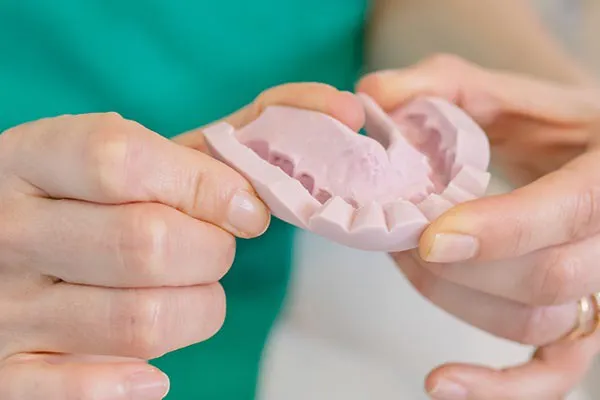
This is the protocol we like to use for patients who have little bone and want to place fixed teeth on the same day.
- Fast treatment that increases quality of life
- Shorter treatment time
- Stable even with low bone volume
Treatment with All On 4 is a scientifically proven protocol with studies showing a 10-year follow up in the mandible and a 5-year follow up in the maxilla with survival rates of between 96-98%, with stabilization of marginal bone loss and healthy gingival tissues.
Is All-on-4 treatment painful?
No. The surgery is performed under anesthesia, and postoperative discomfort is generally minimal.
Will I lose teeth during the process?
No. On the same day as the surgery, a temporary fixed prosthesis is placed, which will later be replaced by a permanent fixed prosthesis.
How long does the entire treatment take?
The surgery and placement of the temporary prosthesis are performed on the same day.
The permanent prosthesis is placed after the implants have integrated, usually within 3 to 6 months.
How long do implants last?
With proper care and regular follow-up, implants can last for decades.